The door starts down, shudders, and climbs back up. Another morning, it stops halfway and leaves your car inside. You may be looking at a blocked sensor or a serious problem with a spring, cable, track, opener, or door section.
The difficult part is knowing which signs allow a simple check and which ones mean everyone should stay clear.
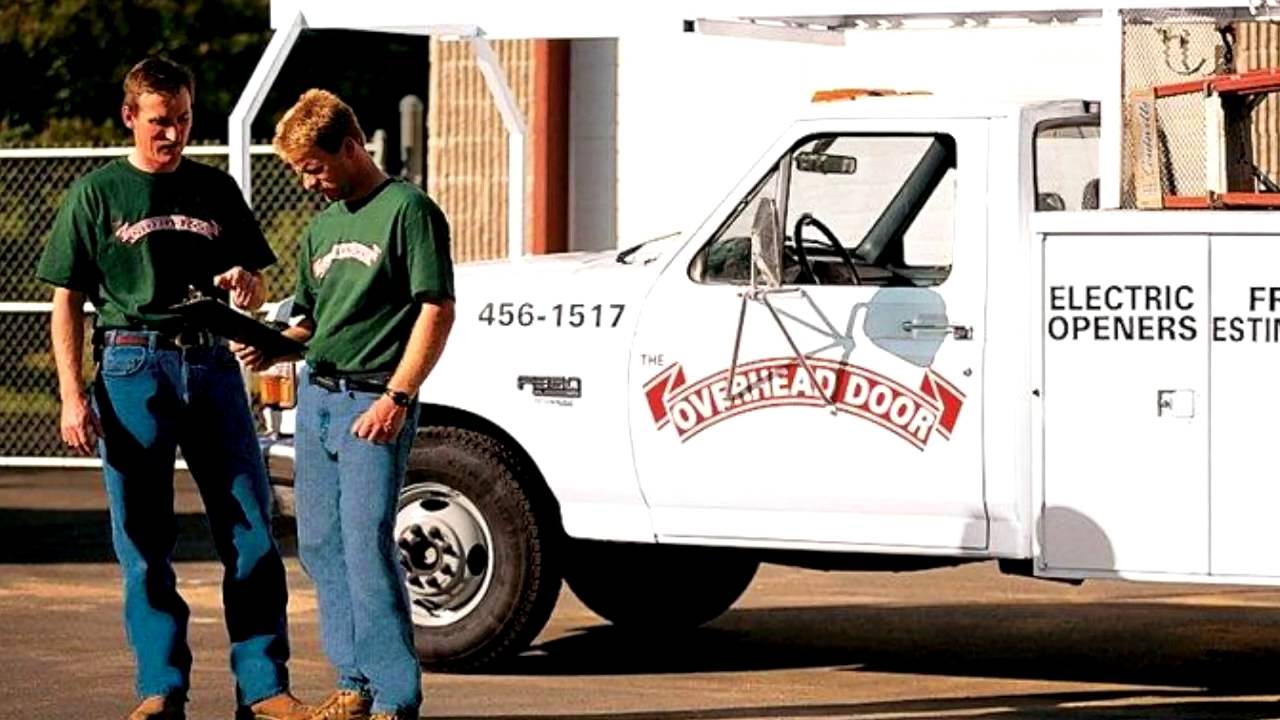
Overhead Door Company of Charleston has served the area since 1994 as an Overhead Door dealer. The team provides residential and commercial door service from 2260 Technical Pkwy, North Charleston, SC 29406. This guide explains how to make a safe first decision before you call.
The Short Answer: Call When Safety, Balance, or Reliability Changes
Call an overhead door company in Charleston when the door is crooked, unusually heavy, off its track, stuck open, falling, reversing without a clear cause, making a new grinding or popping sound, or failing repeatedly after basic checks. Also call when you see a broken spring, frayed cable, loose bottom bracket, bent track, damaged panel, burned wiring, or opener error that the owner manual does not resolve.
Some issues can wait for a scheduled appointment. Others justify same-day or emergency service because the opening cannot be secured or the door may move unexpectedly. Overhead Door Company of Charleston offers same-day and emergency service, subject to availability and the parts needed.
Garage Door Symptom Guide
Use this table to choose the next safe step. Do not stand, walk, or park under a door that appears unstable.
| Symptom | Possible Cause | Safe First Step | When to Call |
| Door will not close and opener lights blink | Blocked, dirty, or misaligned photo eyes | Remove objects and gently clean the sensor lenses without changing wiring | Call if the beam area is clear but the problem continues |
| Remote does not work, but wall control does | Dead battery, remote programming, or remote failure | Replace the battery and follow the opener manual | Call if reprogramming fails or several controls stop together |
| Opener runs, but door does not move | Disconnected trolley, stripped drive component, or door problem | Keep the area clear and look for an obvious disconnect from the floor | Call before cycling the opener again |
| Door stops, jerks, or changes speed | Track obstruction, roller damage, binding, or balance problem | Stop operation and look from a safe distance | Call promptly, especially if the door is crooked or heavy |
| Loud bang followed by a door that will not lift | Broken spring | No. Stop using the door. | Request professional spring service |
| Cable is loose, frayed, or off the drum | Cable or counterbalance failure | No. Stop using the door. | Request professional cable service |
| Door hangs crooked or a roller leaves the track | Cable, roller, track, or structural damage | Keep everyone away and do not move the door | Request urgent service |
| Door closes on an object or does not reverse | Safety-reversal failure or opener problem | Discontinue automatic operation and keep the opening clear | Call before using the opener again |
| Breaker trips, motor smells hot, or wiring looks burned | Electrical short, motor failure, or control problem | Turn off power only if you can do so safely without approaching the door | Call a door technician; smoke or active fire requires emergency services |
| New grinding, scraping, or popping sound | Loose hardware, damaged roller, track contact, or spring issue | Stop and inspect only from a distance | Call if the sound repeats or movement is not smooth |
Signs That Require an Immediate Stop
A Broken Spring or Damaged Cable
No. Stop using the door.
A torsion spring may show a visible gap above the door. An extension spring may hang out of position. A cable may be frayed, slack, wrapped incorrectly around a drum, or lying beside the opening.
Do not pull, cut, wind, reconnect, or touch these parts. Do not try to lift the door with several people, and do not keep pressing the opener button.
The Door & Access Systems Manufacturers Association warns that worn cables can break and says cable replacement should be handled by a trained technician because of the high spring tension involved. It also identifies springs as dangerous parts that wear out and can cause injury when they fail.
For local help, review professional garage door spring service or garage door cable service. Keep people, pets, and vehicles away until the system has been inspected.
A Crooked, Falling, or Off-Track Door
A door that rises unevenly, hangs at an angle, or has a roller outside the track may no longer be supported as designed. Continued operation can bend panels, pull hardware loose, or allow the door to move suddenly. Do not push the roller back into place or loosen the track to make room.
If the door is open, do not walk beneath it or pull the emergency release. That release separates the opener from the door. On an unstable or poorly balanced system, removing the opener connection may allow uncontrolled movement.
A Door That Will Not Reverse
A closing garage door should not be treated as a test of strength. The U.S. Consumer Product Safety Commission advises homeowners to disengage an opener that fails the prescribed reversal test until it is adjusted according to the manual, repaired, or replaced. The CPSC also says an unbalanced or binding door should be serviced by a professional.
If the door contacted a person, pet, vehicle, or object, stop using it. Arrange service even if it seems to work on the next cycle because the force setting, sensors, sections, or hardware may have been affected.
Smoke, Sparks, or Burning Odor
Stop using the opener. If there is active smoke or fire, leave the area and contact emergency services. If it is safe to reach the correct breaker without going near an unstable door, shut off power.
Do not remove the opener cover or touch wiring, capacitors, terminals, or a logic board.
Electrical diagnosis and logic-board repair are not DIY tasks. A technician should determine whether the failure is in the opener, wiring, controls, safety devices, or door system before power is restored.
Problems That Usually Need Prompt Professional Service
Repeated Reversing or Incomplete Travel
One reversal can come from an object blocking a photo eye. Repeated reversals with a clear opening can point to sensor alignment, wiring, force or travel settings, track resistance, panel damage, or an unbalanced door.
DASMA explains that openers are intended to reverse when a descending door meets an obstruction. The trade association recommends a trained technician when sensitivity needs adjustment. It also notes that modern openers use a second safety-reversing feature, often photoelectric eyes near the floor.
You can remove a box, broom, leaf, or spiderweb that plainly blocks the beam. You can gently wipe a dirty lens. Do not bypass the sensors, move brackets at random, splice wires, increase force, or hold down a control to defeat a safety response.
Slow, Jerky, or Noisy Movement
A door should follow its tracks smoothly. A sudden change in speed or sound deserves attention even if the door completes a cycle. Grinding may come from a worn roller or opener drive.
Scraping may indicate contact with the track. Popping can involve a section, hinge, track, or spring system.
Noise alone does not identify the failed part. Record when it happens, stop repeated testing, and let a technician inspect the complete system. If the door also feels heavy, hangs crooked, or has visible spring or cable damage, use the hard-stop guidance above.
A Door That Will Not Stay Open or Feels Heavy
The opener is not supposed to compensate for a poorly balanced door. DASMA says a door that requires two hands or feels heavy is probably out of balance and needs professional diagnosis, not a more powerful opener. The CPSC describes a properly operating door as one that remains in place when stopped in a partially open position and warns that a severely unbalanced door can fall.
Do not perform a balance test when the door is already behaving unpredictably. Do not pull the emergency release while the door is open. Call for service and describe the position of the door, whether your vehicle is trapped, and any visible damage.
Damaged Panels, Hinges, Rollers, or Tracks
A dent is not always cosmetic. A bent section can change how rollers enter the curved track, strain hinges, or prevent the bottom seal from meeting the floor. A loose hinge, cracked roller, or bent track can create similar symptoms.
Do not hammer the track straight, remove hinges, or loosen bottom fixtures. Ask whether the affected part can be repaired or whether a compatible replacement is needed. Professional residential garage door service should include the surrounding system, not just the most visible damage.
Checks You Can Make Before Calling
Safe troubleshooting is limited to observation and simple items described in the owner manual. Start with the door closed whenever possible.
- Check the opening. Move toys, bins, tools, and yard debris away from the door and tracks without touching door hardware.
- Look at the photo eyes. Remove a visible obstruction and wipe the lenses with a soft, dry cloth. Do not alter wiring or brackets.
- Try a known-good control. If the wall button works but one remote does not, replace the remote battery and consult the manual.
- Check the lock and vacation setting. Some wall consoles disable remotes. Confirm the setting in the opener manual.
- Read the indicator pattern. Note flashing lights or an error code exactly as shown. Do not guess at a logic-board repair.
- Inspect from a distance. Look for a spring gap, slack cable, crooked section, roller outside the track, damaged hinge, or object in the path.
- Stop after one careful check. Repeated cycling can worsen mechanical damage and overheat an opener.
Do not remove covers, alter force settings, reprogram safety limits without the manual, or work on household wiring. If the basic checks do not reveal a harmless cause, schedule overhead door service.
Same-Day Service or a Scheduled Appointment?
Request same-day or emergency service when the door cannot secure the property, a vehicle is trapped and needed, the door is stuck open, the opening serves a business operation, or the door is crooked, falling, off-track, or affected by spring or cable failure. Explain the safety condition when you call so the service team can prioritize accurately.
A scheduled appointment is usually reasonable for a working door with a developing squeak, cosmetic panel damage, an intermittent remote, worn weather seal, or a maintenance inspection. Stop using it sooner if performance changes.
Charleston-area heat, humidity, wind-driven rain, and coastal exposure can affect finishes, hardware, and electronics, but the symptom matters more than a weather assumption. A technician can distinguish surface corrosion from damage to a load-bearing or electrical component.
What to Tell the Door Company
A clear description helps the company prepare for the visit. Share:
- Whether the property is residential or commercial
- The door material, approximate size, and brand if visible
- The opener brand and model from an accessible label
- Whether the door is open, closed, crooked, or off-track
- Any broken spring, loose cable, damaged panel, impact, smoke, or water exposure
- What happened immediately before the failure
- Error codes, flashing-light patterns, and photos taken from a safe location
- Whether a vehicle or essential equipment is trapped
Do not climb a ladder or move a damaged door to find a model number. Safety is more important than a complete description.
Calling Overhead Door Company of Charleston
Overhead Door Company of Charleston has served local customers since 1994 and is an Overhead Door dealer. The office is at 2260 Technical Pkwy, North Charleston, SC 29406. Regular hours are Monday through Friday, 8:00 a.m.to 4:00 p.m., with same-day and emergency service available.
Call (843) 767-0028 and describe the door’s current position and safety condition. Do not wait beside an unstable door for the technician. Keep the area clear and use another entrance when possible.
Frequently Asked Questions
When Should I Call an Overhead Door Company in Charleston?
Call when the door is unreliable, crooked, heavy, off-track, stuck, falling, repeatedly reversing, or making a new harsh sound. Call immediately for spring, cable, balance, impact, electrical, or safety-reversal problems.
Can I Open a Garage Door With a Broken Spring?
No. Stop using the door. Do not use the opener, pull the release, or try to lift the door.
Keep the opening clear and request professional spring service.
Can I Put a Garage Door Cable Back on Myself?
No. Stop using the door. Cables are part of a tensioned counterbalance system and should be serviced by a trained technician.
Why Does My Garage Door Close and Then Reopen?
A blocked photo eye may be the cause, but repeated reversal can also involve sensor alignment, wiring, travel settings, resistance, or door balance. Remove only obvious obstructions and clean the lenses. If it continues, call for diagnosis.
Is a Garage Door Logic Board a DIY Repair?
No. Electrical and logic-board diagnosis are not DIY work. Similar symptoms can come from wiring, sensors, controls, power, motor components, or the door itself, so professional testing is the safer route.
Should I Call If the Door Still Works but Sounds Different?
Yes, if the noise is new, harsh, or repeats. Stop sooner if the door jerks, slows, scrapes, hangs crooked, or feels heavy. A short service visit can prevent repeated operation from worsening damaged hardware.
Does Overhead Door Company of Charleston Offer Emergency Service?
Yes. Same-day and emergency service are available. Call (843) 767-0028, explain whether the door is open, unsecured, off-track, or trapping a vehicle, and ask about current availability.