Garage door openers work hard every single day, and like any piece of mechanical equipment, they need regular care to stay in good condition. The maintenance that garage door openers need includes visual inspections, lubrication, safety testing, hardware checks, battery replacements, balance testing, and periodic professional service. Keeping up with these tasks helps extend the life of the opener, supports safe daily operation, and prevents small issues from turning into costly repairs.
This guide covers every important aspect of garage door opener maintenance so homeowners know exactly what to do and how often to do it.
Why Regular Maintenance Matters for Garage Door Openers
A garage door opener handles hundreds of cycles each year, placing steady wear on its motor, drive system, sensors, and hardware. Without regular maintenance, small issues like loose hardware or dry components can gradually affect performance and lead to premature failure. A well maintained opener runs more smoothly, uses less energy, and lasts significantly longer than one that is neglected.
Maintenance also plays an important role in safety. Garage door openers include several safety features that must work correctly to protect family members, vehicles, and property. For homeowners who want reliable, quiet, and safe garage door operation day after day, routine maintenance is the most effective way to protect that performance over time.
Perform Regular Visual Inspections
One of the simplest and most effective forms of garage door opener maintenance is a regular visual inspection. Homeowners should take a few minutes once a month to look over the opener and the connected components. This includes checking the drive system for signs of wear, looking at the cables and springs for fraying or rust, and examining the tracks for debris or misalignment.
The opener unit itself should also be inspected. Look for any visible damage to the motor housing, check that the mounting hardware is secure, and make sure no wires are loose or exposed. Listening to the opener during operation is another useful habit. Grinding, rattling, or squeaking sounds often point to components that need attention early.
Lubricate Moving Parts
Lubrication is one of the most important maintenance tasks for any garage door opener. Moving parts that operate without proper lubrication create friction, which leads to faster wear, increased noise, and added strain on the motor. Applying lubricant regularly helps all the components move smoothly.
The parts that need lubrication include the rollers, hinges, springs, and bearing plates. Use a silicone based or lithium based lubricant that is designed for garage door systems. Avoid using standard household oil or grease, which can attract dust and debris and cause buildup over time. Lubrication should be applied every three to six months depending on how often the door is used. One important note is that the tracks should not be lubricated, as this can cause the rollers to slip and increase wear.
Test Safety Reversal Features
The safety reversal feature is one of the most critical components of any garage door opener. This feature causes the door to stop and reverse if it detects an object in its path during closing. Testing it regularly helps confirm that it is working correctly.
To test this feature, place a flat object such as a roll of paper towels on the ground in the center of the door opening. Press the button to close the door. When the door makes contact with the object, it should immediately stop and reverse direction. If the door does not reverse, the force settings or sensor alignment may need adjustment. This test should be performed at least once a month.
Check the Photo Eye Sensors
Photo eye sensors are the small devices mounted near the bottom of the garage door tracks. They send an invisible beam across the opening, and if that beam is interrupted while the door is closing, the door is triggered to reverse. Keeping them in good condition is an important part of garage door opener maintenance.
Homeowners should check the sensors regularly to make sure they are properly aligned. Both sensors should face each other directly, and the indicator lights on each unit should be steady rather than blinking. A blinking light usually means the sensors are out of alignment or dirty. Wipe the sensor lenses with a clean, dry cloth to remove dust and debris. If the sensors are misaligned, carefully adjust their position until the lights are steady.
Inspect and Tighten Hardware
The repeated opening and closing of a garage door creates vibration that gradually loosens the hardware holding the system together. Bolts, nuts, and brackets can work themselves loose over time, which leads to rattling sounds, instability, and potential damage to the door and opener.
Use a socket wrench or screwdriver to check the tightness of all visible bolts and brackets. Pay close attention to the hardware connecting the tracks to the wall, the hinges on the door panels, and the mounting brackets holding the opener to the ceiling. Avoid overtightening, which can strip threads and cause damage. A simple tightening check every few months helps keep the opener running smoothly.
Replace Remote and Keypad Batteries
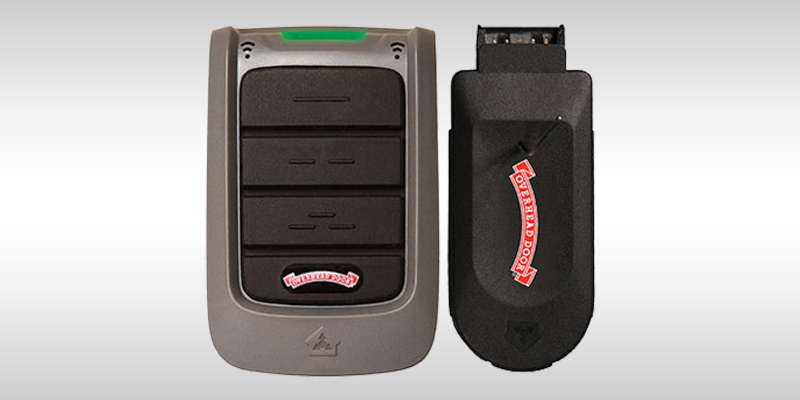
Garage door remotes and keypads rely on batteries to send signals to the opener. As batteries weaken, the signal strength drops, which can cause the remote or keypad to stop responding reliably. Many homeowners assume the opener is malfunctioning when the real issue is simply a weak battery.
Most remotes use coin cell batteries, while keypads typically use standard AA or AAA batteries. Replacing these batteries once a year or whenever the range starts to decrease is a quick and easy maintenance task. If the remote still does not work after a fresh battery is installed, reprogramming it to the opener or checking the antenna may solve the problem.
Test the Manual Release Mechanism
The manual release mechanism allows the garage door to be operated by hand during a power outage or opener failure. It is usually activated by pulling a red cord that hangs from the trolley on the drive rail. Testing this mechanism periodically confirms that it works smoothly when needed.
To test it, disconnect the opener by pulling the red cord and then manually lift the door. The door should move easily along the tracks without sticking or requiring excessive force. If the door is difficult to lift manually, it may be out of balance or the springs may need adjustment. After testing, reconnect the opener by pulling the cord back toward the door or pressing the wall control to re-engage the trolley.
Check the Balance of the Garage Door
The balance of the garage door has a direct impact on how hard the opener motor has to work. A properly balanced door requires very little effort to lift because the springs carry most of the weight. An unbalanced door puts extra strain on the opener, which can lead to faster wear.
To test the balance, disconnect the opener using the manual release and lift the door to about waist height. Release it and step back. A balanced door should stay in place on its own without rising or falling. If the door moves up or down when released, the spring tension is off and the door needs professional adjustment. Spring adjustment involves high tension components and should always be handled by a trained technician.
Clean the Opener and Surrounding Area
Dust, cobwebs, and debris can accumulate on the opener unit and the surrounding area over time. This buildup can clog vents, interfere with sensors, and affect the overall performance of the system.
Wipe down the exterior of the opener motor with a dry cloth to remove dust. Clean the sensor lenses and check that the antenna is free from debris. Sweep or vacuum the floor around the base of the door to remove dirt that could get caught in the tracks. Check the tracks themselves for any debris or buildup that could interfere with smooth roller movement.
Schedule Professional Maintenance Once a Year
While many maintenance tasks can be handled by homeowners, a professional maintenance visit once a year is one of the best investments for any garage door opener. Trained technicians can inspect components that are difficult to evaluate without experience, including spring tension, cable condition, and opener motor performance.
A professional visit typically includes lubrication, hardware tightening, balance testing, safety feature checks, and a full inspection of the drive system, sensors, and opener unit. Technicians can also identify parts that are beginning to show wear and recommend replacements before a failure occurs.
Schedule Garage Door Opener Maintenance With Overhead Door Company of Charleston
If your garage door opener is due for professional maintenance, Overhead Door Company of Charleston is ready to help. Our experienced team provides thorough inspections, expert adjustments, and dependable service that keeps garage door openers running smoothly year after year. Whether you need a quick tune up or a full system check, reach out to Overhead Door Company of Charleston today to schedule maintenance and protect the long term performance of your garage door opener.