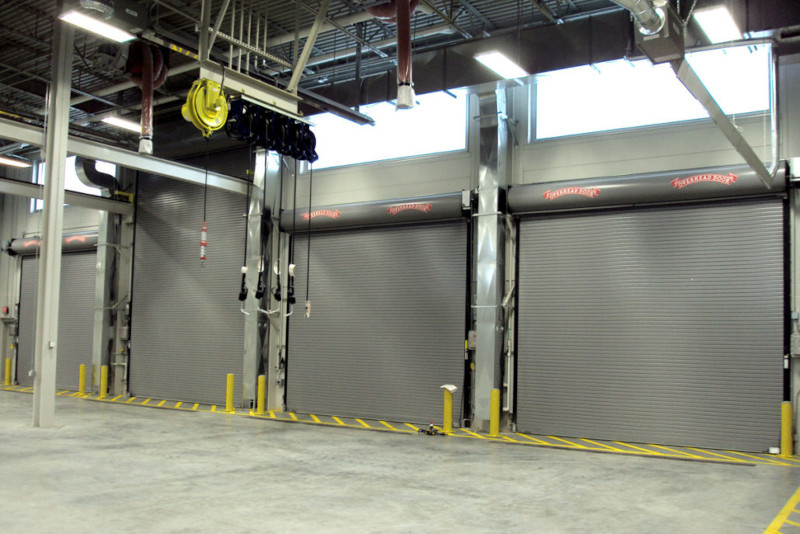
Commercial overhead doors are some of the most essential pieces of equipment in any business that depend on regular access for deliveries, loading, or daily operations. These doors handle heavy use, weather exposure, and constant cycling, which makes proper maintenance critical for long term performance. Maintaining commercial overhead doors involves regular visual inspections, routine cleaning, proper lubrication, hardware checks, safety testing, balance monitoring, and scheduled professional service.
This guide walks through the most important steps for maintaining commercial overhead doors and explains why each one matters. By following these practices, business owners and facility managers can protect their investment, reduce costly downtime, and keep their doors operating safely throughout the year. A well maintained door supports smooth operations and helps prevent the kind of unexpected failures that disrupt productivity.
Why Maintenance Matters for Commercial Overhead Doors
Commercial overhead doors play a major role in keeping a business running. They protect inventory, secure facilities, and support daily workflow for warehouses, manufacturing plants, auto service centers, and many other operations. When these doors fail unexpectedly, the cost goes beyond the repair itself. Downtime can delay deliveries, halt production, and create safety hazards for employees.
Routine maintenance protects against these risks by keeping the door working the way it was designed to. Regular care helps identify worn parts before they fail, extends the lifespan of the entire system, and reduces the chance of emergency repairs. Maintenance also supports compliance with safety standards, which protects both employees and the business from preventable accidents.
Conduct Regular Visual Inspections
Visual inspections are one of the simplest and most effective ways to maintain commercial overhead doors. Business owners or facility managers can perform a quick walk around check on a weekly or monthly basis to look for any obvious issues. This includes checking for dents, cracks, rust, or other signs of damage on the door panels.
Inspectors should also look at the tracks for misalignment or debris, check the cables and springs for visible wear, and examine the rollers and hinges for signs of trouble. Listening to the door during operation can also reveal problems. Unusual grinding, popping, or squeaking sounds often point to worn components that need attention. Catching these issues early gives the business time to schedule service before the problem leads to a breakdown.
Clean the Door and Tracks Routinely
Commercial overhead doors collect dust, dirt, grease, and debris over time, especially in industrial environments. Regular cleaning helps keep the door operating smoothly and prevents buildup that can interfere with moving parts. The door panels themselves should be cleaned with a mild detergent and water to remove dirt and protect the finish.
The tracks are even more important to clean since debris in the tracks can cause uneven movement, increased wear on rollers, and unnecessary strain on the opener motor. Use a damp cloth to wipe down the inside of the tracks and remove any buildup. Avoid using harsh chemicals or abrasive tools that can damage the surface. Keeping the tracks clean also helps reduce noise during operation and supports a longer service life for the door system.
Lubricate Moving Parts
Lubrication is one of the most important maintenance tasks for commercial overhead doors. Moving parts including rollers, hinges, springs, and bearing plates need regular lubrication to reduce friction and prevent premature wear. Without lubrication, these parts can stick, squeak, and break down much faster than expected.
Use a high quality silicone based or lithium based lubricant designed specifically for garage doors. Apply lubricant to the rollers, hinges, springs, and bearing plates at least every three to six months depending on usage. Wipe away any excess to prevent buildup that can attract dust. One important note is that the tracks themselves should never be lubricated. Lubricating the tracks can cause rollers to slip and increase wear. Sticking to the right components helps maintain smooth and reliable operation.
Inspect and Tighten Hardware
The repeated motion of opening and closing a commercial overhead door places constant stress on the hardware. Over time, bolts, brackets, nuts, and screws can loosen, which leads to misalignment, rattling, and uneven operation. Inspecting and tightening this hardware on a regular basis helps maintain stability and prevents larger problems from developing.
Use a wrench or socket set to check the tightness of all bolts and brackets, including those connecting the tracks to the wall and the hinges to the door panels. Pay extra attention to high stress areas such as the bottom bracket, which is connected to the cables. Loose hardware can cause excessive movement during operation and lead to premature wear on rollers, hinges, and springs. Tightening these components is a simple step that pays off in smoother daily performance.
Test Safety Features Regularly
Commercial overhead doors include several safety features designed to protect employees and prevent accidents. The most important of these is the auto reverse system, which causes the door to reverse direction if it senses an object in its path. Photo eye sensors near the bottom of the tracks also trigger the door to reverse if the beam between them is broken.
Testing these safety features regularly helps confirm they are working correctly. To test the auto reverse, place a small object such as a roll of paper towels under the door and operate the closing function. The door should reverse upon contact. To test the photo eye sensors, wave an object through the beam path while the door is closing. The door should immediately stop and reverse. Emergency release mechanisms should also be tested periodically to make sure they engage smoothly during a power outage. Functional safety features are a non negotiable part of safe daily operation.
Check Springs, Cables, and Rollers
Springs, cables, and rollers handle most of the actual work involved in opening and closing commercial overhead doors. These high tension components experience steady wear and are some of the most important parts to inspect regularly. Springs should be checked for signs of stretching, rust, or visible cracks. Cables should be examined for fraying, rust, or loose strands. Rollers should turn smoothly without wobble or chipping.
Because of the high tension involved, repairs and replacements for these parts should always be handled by trained technicians. Attempting to adjust or replace springs and cables without proper training and tools can lead to serious injury. Business owners and facility managers should focus on identifying warning signs during visual inspections and scheduling professional service whenever wear is noticed. Regular technician involvement keeps these critical parts in safe working order.
Monitor Door Balance and Operation
Balance is another important factor in the performance of commercial overhead doors. A properly balanced door opens and closes smoothly without placing extra strain on the opener motor. An unbalanced door can cause uneven movement, faster wear on parts, and a shortened lifespan for the entire system.
To test the balance, disconnect the opener using the manual release and lift the door halfway. A balanced door should stay in place on its own. If the door slides down or springs upward, it is out of balance and needs adjustment. Balance issues are typically related to spring tension, which should be handled by a professional. Monitoring the way the door operates day to day also helps identify subtle changes that may indicate a balance problem. Quick attention to these signs helps avoid bigger issues later on.
Schedule Professional Preventative Maintenance
Even with consistent in house care, commercial overhead doors benefit greatly from scheduled professional maintenance. Trained technicians have the tools, experience, and knowledge to inspect the entire system in detail and complete adjustments that go beyond what can be done internally. They can also handle the high tension components that should not be serviced without proper training.
Most commercial overhead doors should be professionally serviced two to four times per year depending on how heavily they are used. High cycle doors may need quarterly or even monthly visits. A typical preventative maintenance service includes lubrication, hardware tightening, balance testing, safety system checks, and detailed inspections of springs, cables, rollers, and tracks. Working with a professional service provider gives business owners peace of mind that the door system is operating at its best.
Train Employees on Proper Door Use
The way employees use commercial overhead doors has a major impact on how well they perform over time. Doors that are forced open, slammed shut, or operated incorrectly wear out much faster than those that are used properly. Training employees on safe operating practices helps reduce avoidable damage and supports a longer lifespan for the door system.
Employees should be trained to keep their hands and feet clear of moving parts, avoid running through a closing door, and stop the door immediately if something seems off. They should also know how to report unusual sounds, sticking, or slow operation to a supervisor. Establishing a simple reporting system makes it easier to catch issues early before they grow into expensive repairs. A well trained team is one of the most valuable maintenance tools a business can have.
Schedule Commercial Overhead Door Maintenance With Overhead Door Company of Charleston
If your business depends on reliable commercial overhead doors, professional maintenance is one of the smartest investments you can make. Overhead Door Company of Charleston works with businesses to provide thorough inspections, expert repairs, and structured maintenance programs that protect long term performance. Reach out to Overhead Door Company of Charleston today to schedule commercial overhead door maintenance and keep your operations running smoothly.