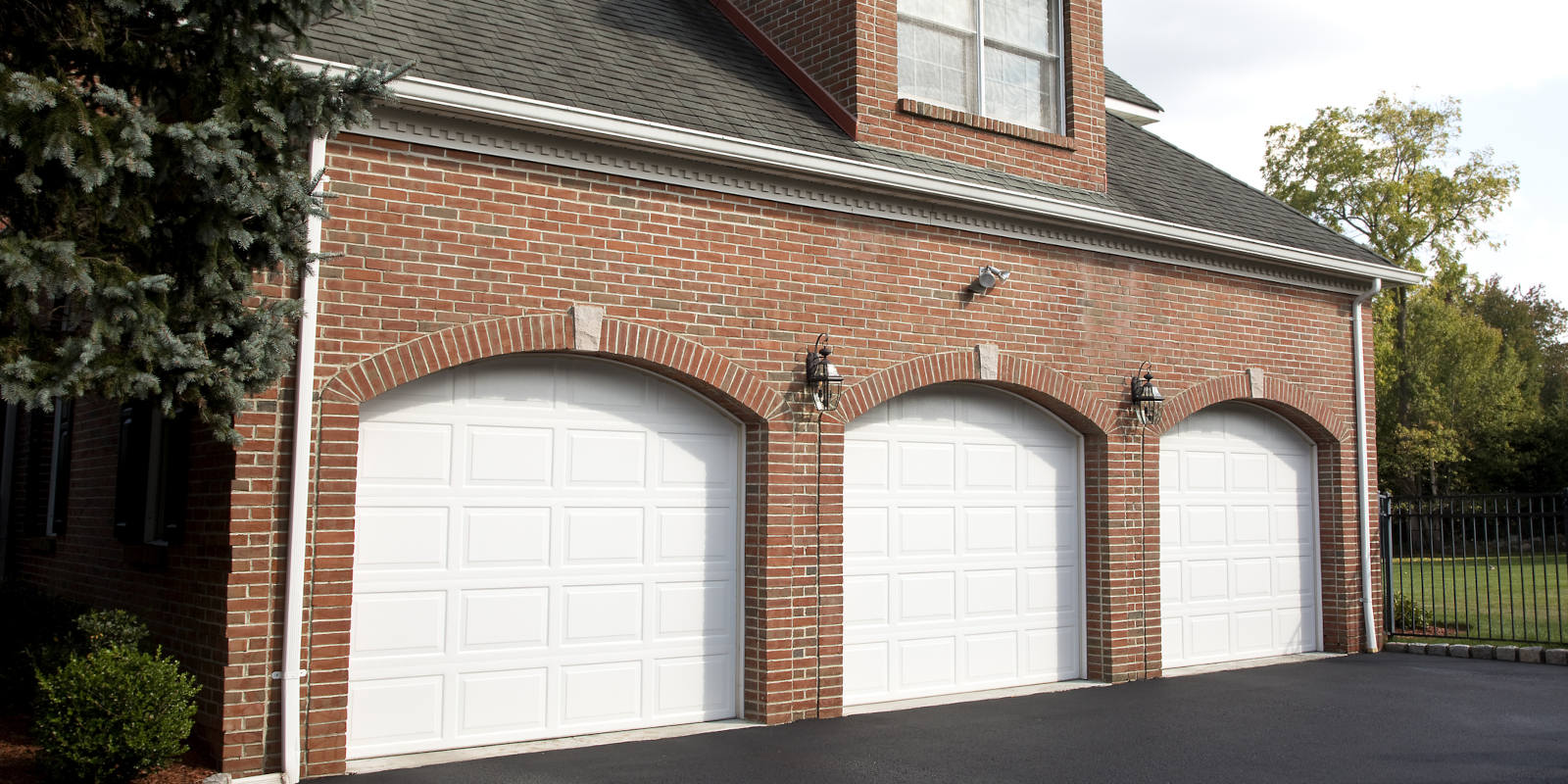
Coastal garage door rust prevention starts with identifying where corrosion is developing, following manufacturer-approved cleaning instructions, and inspecting visible hardware. Charleston’s salt air and moisture can affect garage door finishes, fasteners, tracks, and other metal components. While minor surface rust may be manageable, corrosion involving springs, cables, or lifting hardware requires professional inspection.
A small rust spot on your garage door may seem like a cosmetic problem, but its location matters. Corrosion on a painted panel is different from rust developing around a hinge, track connection, or component responsible for lifting the door.
For homeowners in Charleston and nearby coastal communities, exposure to salt air and moisture can contribute to the gradual deterioration of unprotected metal surfaces. Recognizing early warning signs can help determine whether the problem needs cleaning, finish repair, or professional attention.
Overhead Door Company of Charleston serves the Charleston area from North Charleston. This guide explains how to recognize corrosion, protect your garage door’s finish, identify unsafe hardware conditions, and decide when repair or replacement may be appropriate.
Why Are Coastal Garage Doors More Susceptible to Rust?
Coastal environments can expose garage doors to airborne salt, moisture, and repeated wetting and drying. Over time, these conditions may contribute to corrosion when protective coatings become damaged or metal components remain exposed to moisture.
However, not every Charleston garage door experiences the same level of exposure. Wind direction, distance from saltwater, the garage’s orientation, and how moisture collects around the opening can influence where corrosion develops.
The American Galvanizers Association explains that atmospheric conditions affect how protective zinc coatings perform. Its corrosion guidance distinguishes between different marine environments, emphasizing that exposure conditions matter when evaluating the durability of galvanized steel.
Does Every Charleston Garage Door Experience the Same Salt Exposure?
No. Two homes in the Charleston area may experience different corrosion conditions depending on their surroundings. A garage door regularly exposed to wind-driven salt residue may require different attention from one sheltered by the home’s structure.
Even different parts of the same garage door can experience uneven deterioration. Lower panel edges, seams, fasteners, and areas where moisture accumulates may show corrosion before more protected surfaces.
Rather than following a neighbor’s maintenance schedule, use your garage door manufacturer’s recommendations and observe how your own system responds to local conditions. Regular inspections can help identify developing problems before they affect additional components.
How to Identify Garage Door Rust That Needs Attention
The first step in coastal garage door rust prevention is determining which component is affected. Surface discoloration on a painted panel may require different treatment from corrosion around a hinge, roller, track attachment, or lifting-system component.
Not every rust spot means the entire garage door needs replacement. However, corrosion involving load-bearing or moving hardware may affect safe operation and should be evaluated before additional use.
| Where Rust Appears | What It May Indicate | Recommended Action |
| Painted garage door panel | Surface corrosion or damaged protective finish | Follow manufacturer-approved cleaning and repair guidance |
| Lower panel edge or seam | Trapped moisture, finish deterioration, or deeper corrosion | Inspect for spreading damage and request service when necessary |
| Hinges or fasteners | Corrosion affecting working connections | Arrange professional evaluation if deterioration is visible |
| Rollers or track attachments | Possible wear or corrosion affecting movement | Have the hardware inspected before attempting repairs |
| Springs, cables, drums, or bottom brackets | Potential lifting-system safety concern | Stop using the garage door and contact a technician |
| Crooked or unusually heavy garage door | Possible structural or counterbalance problem | Do not operate the system until it has been inspected |
When Does Garage Door Rust Become a Safety Concern?
Rust becomes particularly concerning when it affects components responsible for supporting, guiding, or lifting the garage door. Springs, cables, drums, and bottom brackets are connected to systems that operate under significant tension.
The Door & Access Systems Manufacturers Association (DASMA) warns that garage door spring systems and related lifting components can cause serious injuries when handled incorrectly. Corrosion around these areas should never be treated as an ordinary cosmetic maintenance issue.
Stop using your garage door if you notice:
- Visible corrosion or damage on springs or lifting cables.
- Frayed, loose, or displaced cables.
- Damaged drums or bottom brackets.
- A garage door that hangs crooked or appears unstable.
- Unusual heaviness or uncontrolled movement.
- Rollers displaced from their tracks.
Never sand, paint, loosen, or attempt to adjust springs, cables, drums, or bottom brackets. If these components appear damaged, keep people away from the opening and arrange a professional inspection before operating the system again.
How to Protect Your Coastal Garage Door From Salt-Air Corrosion
Preventing garage door corrosion involves more than applying paint or spraying protective products onto visible metal. The appropriate maintenance method depends on the door’s material, factory finish, condition, and manufacturer-approved care procedures.
For Charleston homeowners, a practical approach begins with cleaning accessible exterior surfaces, identifying damaged coatings, and monitoring areas where moisture or salt residue tends to accumulate.
1. Follow the Manufacturer’s Cleaning Instructions
Before cleaning your garage door, identify its manufacturer and model. Different materials and finishes may require different cleaning methods, and a product suitable for one door may damage another.
For example, Overhead Door’s Traditional Steel Collection homeowner manual describes cleaning applicable steel surfaces with mild detergent, rinsing with clear water, and allowing them to dry completely before approved paint preparation.
However, those instructions shouldn’t automatically be applied to every aluminum, glass, wood, or painted garage door. Always follow the care recommendations for your specific model and finish.
For routine exterior cleaning:
- Keep the garage door fully closed and stationary.
- Review the manufacturer’s cleaning instructions.
- Clean only safely accessible exterior surfaces.
- Pay attention to lower edges and visible seams.
- Rinse and dry surfaces as the manufacturer directs.
- Avoid abrasive products unless specifically approved.
Regular cleaning may help remove accumulated residue from painted surfaces, but it cannot reverse corrosion that has already damaged the underlying metal. If the finish is deteriorating or rust continues to spread, request a professional assessment.
2. Inspect Lower Panels, Edges, and Seams
The lower portion of a garage door may be exposed to moisture, splashing water, and debris around the threshold. Protective finishes can also become damaged around seams or edges where the surface is more difficult to clean.
During your inspection, look for peeling paint, visible rust, bubbling finishes, or discoloration that returns after cleaning. These signs may indicate that moisture has reached an exposed area beneath the protective coating.
Avoid sanding or scraping damaged sections before checking the manufacturer’s instructions. If corrosion extends into folded panel edges or affects the panel’s shape, a technician can determine whether localized repair or section replacement is appropriate.
3. Use Approved Touch-Up and Finish Repair Methods
Small chips in a garage door’s protective finish may expose the underlying metal to moisture and corrosion. Addressing the damaged finish using the manufacturer’s approved repair method may help limit further deterioration.
Some steel garage door models require specific preparation, compatible primers, and approved repainting procedures. For example, Overhead Door’s Traditional Steel instructions describe requirements for preparing and repainting exposed galvanized surfaces.
Using an unsuitable primer or paint may produce poor results or conflict with the product’s finish requirements. If the coating has deteriorated across a large area, ask whether professional refinishing or panel replacement is more appropriate.
4. Monitor Hardware Without Attempting Mechanical Repairs
Coastal garage door maintenance should include visually checking hinges, rollers, tracks, and accessible fasteners for corrosion. These components experience movement or mechanical loads, making their condition important beyond appearance alone.
Look for rust accumulation, damaged connections, unusual rubbing marks, or changes in door alignment. Avoid touching tensioned components, tightening unfamiliar brackets, or attempting to remove heavily corroded hardware.
A professional technician can determine whether the corrosion is superficial or has affected the component’s strength or operation. Regular visual checks support early identification, but they don’t replace professional evaluation of mechanical parts.
Need help evaluating corrosion on your garage door? Overhead Door Company of Charleston can assess visible deterioration and explain whether maintenance, component repair, or replacement may be appropriate. Call (843) 767-0028 to discuss the problem and request service.
Are Galvanized Garage Door Parts Rustproof?
No. Galvanized steel has a protective zinc coating that helps resist corrosion, but it isn’t completely rustproof. Its performance depends on the coating process, thickness, exposure conditions, and the condition of the installed component.
The American Galvanizers Association provides information about corrosion protection for hot-dip galvanized steel. However, those performance characteristics shouldn’t automatically be applied to every garage door track, fastener, or factory-finished component.
When comparing replacement hardware, ask what material and coating are used on the actual component being installed. The term galvanized alone doesn’t explain every detail about durability, compatibility, or expected maintenance requirements.
Is Powder Coating Better for Coastal Garage Doors?
Powder coating is a finishing process that can provide protective coverage when the material and application are appropriate. However, the term doesn’t automatically mean a product is specifically rated for marine exposure.
Different products may use different substrates, preparation methods, coating systems, and performance standards. A powder-coated garage door panel may also contain hinges, fasteners, tracks, or other metal components that require separate maintenance.
Before choosing a premium coating, request the manufacturer’s specifications and care instructions. Ask how scratches should be repaired, whether the finish is appropriate for the installation, and what warranty conditions apply.
Should You Pay More for a Coastal Garage Door Finish?
A higher-priced finish may be worth considering when it provides documented benefits for your garage’s actual exposure conditions. However, a premium coating isn’t automatically necessary simply because the property is located in Charleston.
Compare the proposed door material, protective finish, exposed hardware, and recommended maintenance requirements. The goal is to select a system that fits your home’s conditions rather than relying on broad promises such as “rustproof” or “marine-grade.”
How Often Should Charleston Homeowners Check for Garage Door Rust?
The appropriate inspection and cleaning frequency depends on the garage door manufacturer, local exposure, and condition of the existing finish. A door exposed to frequent salt residue may need closer monitoring than one in a more sheltered location.
Follow your manufacturer’s recommended maintenance schedule and check for visible changes when cleaning the exterior. If corrosion develops repeatedly in the same area, document the pattern and ask whether moisture accumulation or coating damage may be contributing.
Keep a Record of Visible Corrosion
Photographs can help document whether rust is spreading or returning after cleaning. Take one close-up image of the affected area and another showing its location on the garage door, with the system fully closed and inactive.
Record when you noticed the corrosion, whether the area was wet or dry, and which manufacturer-approved cleaning method you used. These details can help a technician distinguish a recurring finish problem from a developing hardware concern.
Keep your door model information, installation paperwork, and maintenance instructions together. If you’re unsure which model you own, mention that when requesting service rather than guessing based on the door’s appearance.
A technician can identify the installed system and recommend suitable care or replacement components. Photographs are useful for documenting changes, but they cannot independently establish whether a corroded mechanical component remains safe.
When Should You Repair or Replace a Rusty Garage Door?
Not every rusty garage door requires complete replacement. The appropriate decision depends on the location of the corrosion, the extent of the damage, and whether the affected part can be repaired without compromising the system’s function.
A small finish chip on an otherwise sound panel may be suitable for manufacturer-approved touch-up work. However, severe pitting, panel deformation, or corrosion around mechanical connections may require more extensive evaluation.
When Might Repair Be Appropriate?
A focused repair may be appropriate when corrosion affects a limited area and the surrounding components remain in acceptable condition. The manufacturer may provide an approved finish-repair process or offer compatible replacement sections.
However, the presence of surface rust alone doesn’t establish whether a component can be repaired safely. A technician should determine whether deterioration has affected the underlying material, door alignment, or hardware connections.
When Might Replacement Make More Sense?
Replacement may be worth considering when corrosion has caused extensive deterioration, affected multiple components, or compromised the condition of the garage door assembly. Availability of compatible sections and replacement hardware also matters.
Before approving a new garage door, ask which components are damaged and why repair may not be practical. A written assessment can help distinguish cosmetic deterioration from problems that affect the entire system.
Overhead Door Company of Charleston’s residential garage door options can support the discussion when replacement is being considered. Compare the available materials, finishes, compatible hardware, and maintenance requirements before choosing a new door.
How Much Does Garage Door Rust Repair Cost in Charleston?
The cost of garage door corrosion repair depends on the affected component, extent of deterioration, door model, and work required. A small finish repair may involve different materials and labor than replacing damaged hardware, a panel, or the complete door.
Because rust can affect both cosmetic surfaces and mechanical components, pricing should follow an inspection rather than a diagnosis based on appearance alone. A professional estimate can clarify which repairs are necessary and whether compatible parts are available.
Factors that may affect the estimate include:
- Location and extent of the corrosion.
- Garage door material and finish.
- Condition of affected panels or hardware.
- Availability of compatible replacement components.
- Required preparation or repair work.
- Labor and installation complexity.
Request a written estimate that identifies the affected components and separates finish repairs from mechanical work. Ask whether the inspection has a fee and whether replacement is necessary or optional based on the findings.
A single rust spot shouldn’t automatically lead to a recommendation for complete garage door replacement. However, a repair that only covers visible corrosion may not address damage affecting the underlying material or mechanical system.
Questions to Ask During a Coastal Garage Door Inspection
A professional inspection should explain where the corrosion is developing, which components are affected, and whether the condition could interfere with safe operation. Homeowners should understand the recommended work before approving repairs or replacement.
Ask your garage door technician:
- Which component is corroding, and does it help support or guide the door?
- Is the damage limited to the surface finish, or has the underlying metal deteriorated?
- What garage door material and coating are installed?
- Can the affected component be repaired or replaced individually?
- Are the recommended replacement parts compatible with my garage door?
- What cleaning and maintenance methods does the manufacturer recommend?
- Is there a practical reason to replace the entire door instead of repairing the affected area?
These questions help distinguish cosmetic maintenance from mechanical repair and larger replacement projects. An inspection should provide a clear explanation of the problem, the proposed solution, and any safety concerns involving the existing system.
For homeowners comparing materials for a future installation, the company’s Charleston coastal garage door selection guide provides a related starting point. This article focuses on protecting and evaluating the door you already own.
Frequently Asked Questions About Coastal Garage Door Rust Prevention
Does Every Charleston Garage Door Need a Marine-Grade Coating?
No. Not every garage door requires the same protective finish because exposure conditions and manufacturer specifications vary. Homeowners should consider the garage’s location, existing materials, and documented product requirements before choosing a premium coating. Ask what protection the proposed finish provides rather than relying on marketing labels alone.
Can I Wash Salt Residue Off My Garage Door?
Yes, when the manufacturer permits the cleaning method for your door’s finish. Some steel garage door models specify mild detergent, clean water, and thorough drying. Follow your exact model’s instructions, clean only safely accessible exterior surfaces, and avoid scrubbing damaged springs, cables, or other tensioned hardware.
Can I Paint Over Rust on My Garage Door Tracks?
Painting a rusty track isn’t a substitute for determining whether corrosion has affected its condition or operation. Tracks guide garage door movement, so damaged sections may require repair or replacement rather than cosmetic treatment. Have a technician inspect significant corrosion before applying coatings that could conceal deterioration.
Are Galvanized Garage Door Parts Completely Rustproof?
No. Galvanization helps protect steel against corrosion, but its effectiveness depends on the zinc coating, exposure conditions, and component specifications. Salt air and moisture can contribute to deterioration over time. Ask about the actual protective finish rather than assuming every galvanized component has identical corrosion resistance.
When Should I Stop Using a Garage Door With Rust?
Stop operating the garage door if corrosion or damage involves springs, lifting cables, drums, bottom brackets, or other critical hardware. A crooked, unusually heavy, or unstable door also requires immediate attention. Keep people away from the opening and arrange professional inspection before using the system again.
Should I Replace My Entire Garage Door Because of a Small Rust Spot?
Not necessarily. Minor surface corrosion or a damaged finish may be repairable when the surrounding material remains sound. However, extensive pitting, panel deformation, or corrosion affecting mechanical hardware may require more involved repairs. A professional inspection can help determine the appropriate option.
How Much Does Coastal Garage Door Corrosion Repair Cost?
Repair costs depend on the location and severity of the corrosion, affected parts, compatible replacement materials, and labor required. A cosmetic finish repair differs from replacing damaged hardware or an entire door. Request an itemized estimate after inspection rather than relying on a general price for rust removal.
How Can I Reduce Garage Door Rust in Charleston’s Coastal Climate?
Follow manufacturer-approved cleaning and maintenance instructions, remove accessible salt residue, and inspect visible finishes and hardware for deterioration. Pay attention to damaged coatings, panel edges, and recurring corrosion. Avoid attempting repairs involving tensioned components, and schedule professional service when mechanical hardware appears affected.
Protect Your Coastal Garage Door With Overhead Door Company of Charleston
Overhead Door Company of Charleston can assess corrosion on doors serving Charleston-area homes and explain whether care, a compatible repair, or replacement makes sense. Call (843) 767-0028 or use its contact page to request service. Describe where the damage is and ask about the inspection scope and price. Keep a door with damaged lifting hardware out of use while you wait.
Describe where the corrosion appears, whether it has spread, and any changes in how the door operates.
Protect your garage door by addressing the actual cause of corrosion, not simply covering up the visible rust.